
Robbie Shepherd 16 April 2026
Multi-Income Properties Explained
Multi-income properties are becoming more popular with investors who want to maximise cashflow, reduce vacancy risk, and boost long-term returns. These properties come in different forms, but all share the same goal, more than one stream of rent from a single site.
What are they?
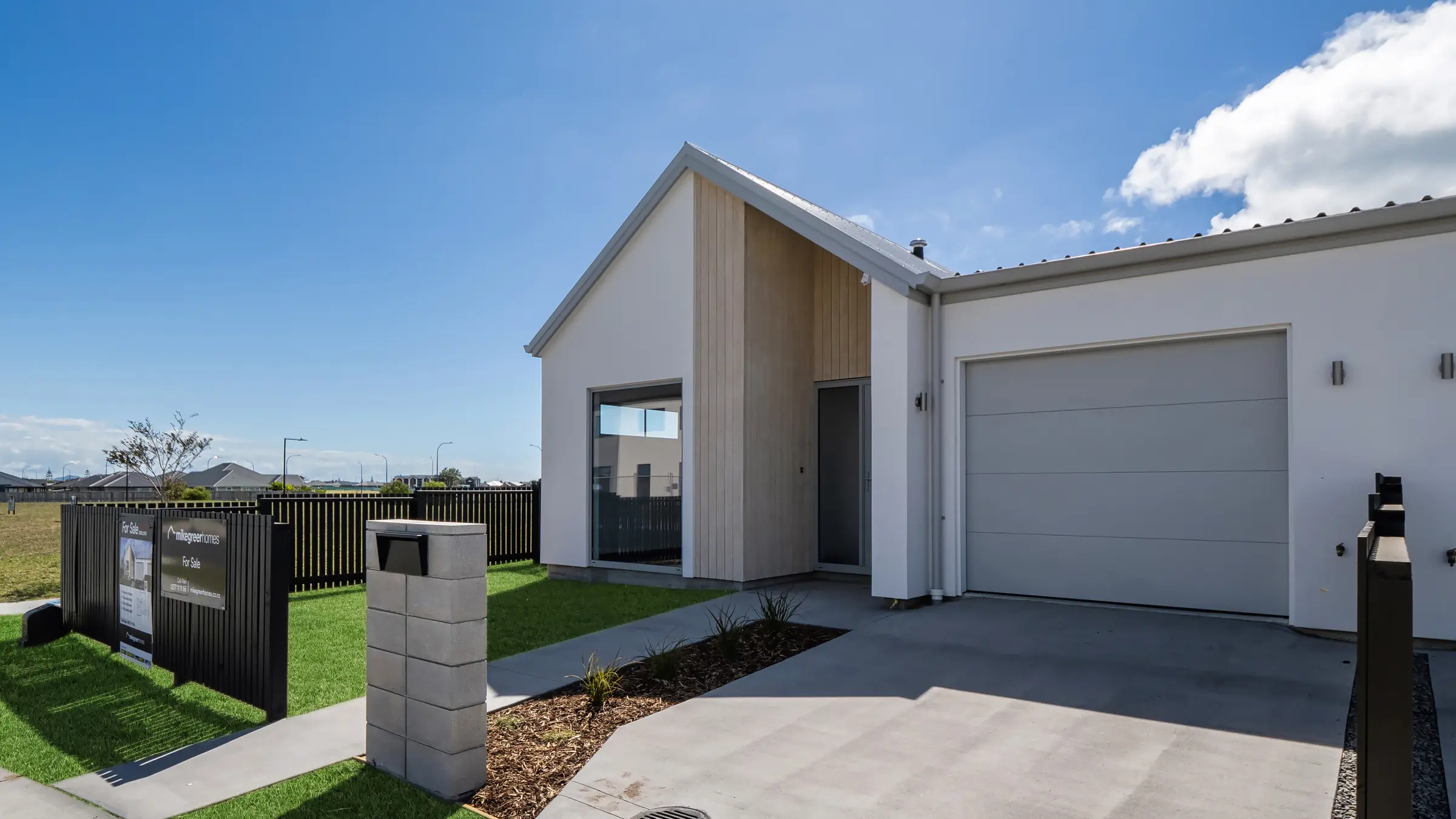
Multi-income properties include duplexes, townhouses, and minor dwellings. A duplex has two homes side by side, each with its own entrance. A townhouse block can have multiple self-contained units on one title. Minor dwellings are smaller secondary homes built on the same section as the main house. All of these allow you to generate rent from more than one tenant on one piece of land.
Why are they popular?
They help spread risk and improve yield. If one unit is vacant, the others still bring in income. They are often more efficient in terms of land use, and some councils now allow for more density under new zoning rules. For investors, the appeal is usually higher cashflow, better returns on land, and more rental flexibility.
What to consider?
Multi-income properties often come with higher up-front costs but stronger returns over time. You need to be aware of council regulations, especially if you are building new or converting a site. Maintenance and management can also be more involved, especially if each unit has separate tenants. Finance may also be different depending on how the property is structured and titled.
Is it right for you?
If you are focused on yield and are comfortable with a bit more complexity, multi-income might be a good fit. They are ideal for investors who want reliable cashflow and are planning to hold long term. Just make sure the numbers stack up and the build or purchase suits your strategy.