
Adam Leath 3 March 2026
Growth isn’t luck – The fundamentals behind high-performing property
To identify a region primed for property value increases, investors in 2026 must look beyond just the asking price. There are several key indicators that you should be looking out for too.
The first main indicator is population growth. When a region is growing in population faster than the national average (currently 0.7% for the year ending in June 2025) it creates a floor for housing demand and underpins values. However, for the population increase to translate into capital gains it needs to be supported by other factors. It must be supported by rising income levels and a strong job market. If a region is seeing new technology companies move in, primary industries performing well and lifestyle amenities like cafés opening. These are all key indications of a strong job market and higher income levels in the region.
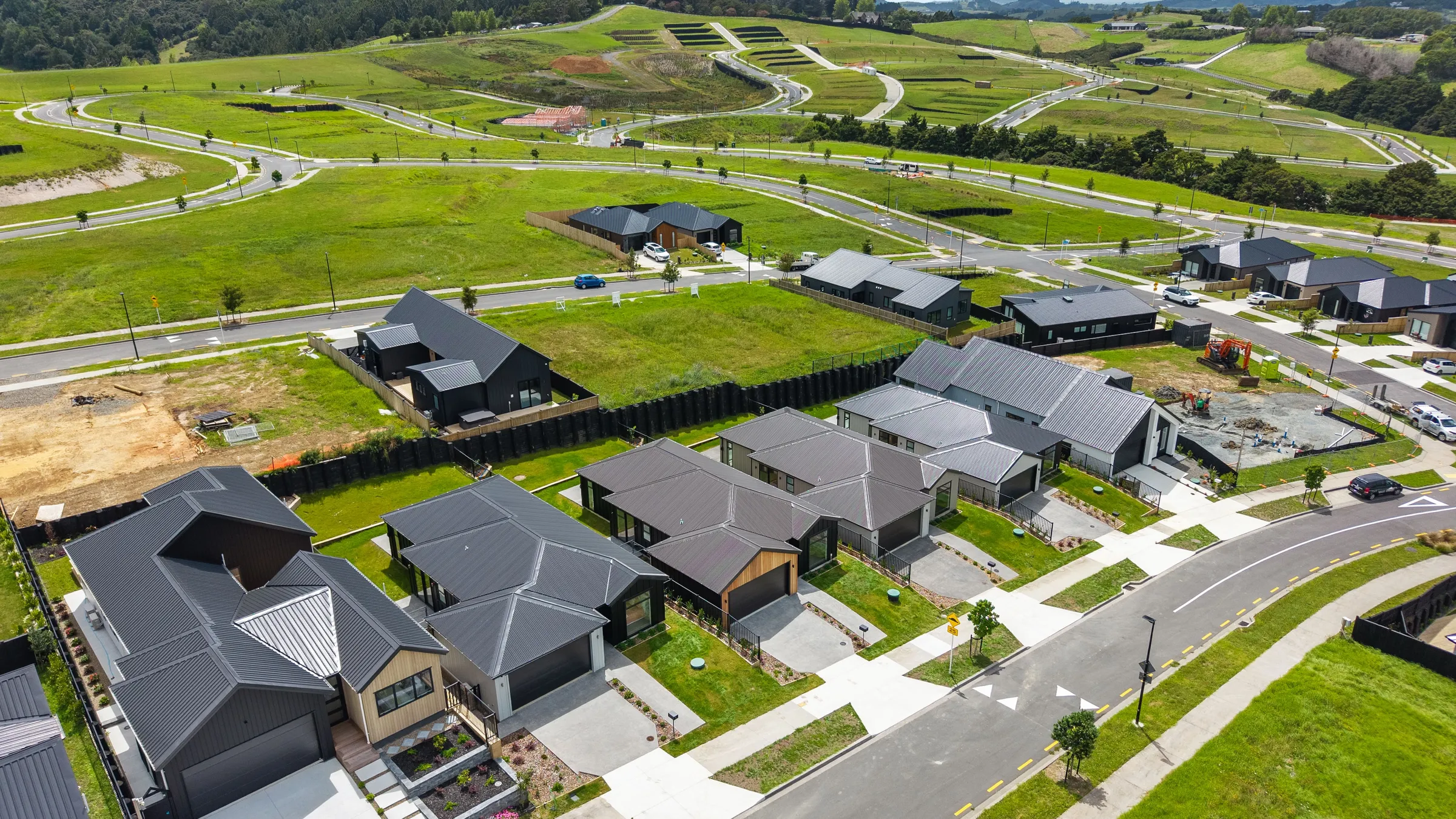
An informed investor is also looking for “forced appreciation” through infrastructure. When new schools are being established in subdivisions, transport links created (rail networks and motorways) and new health care facilities. These all contribute to rising house prices as it creates desirability and support for a region.
The final driver for property values is the scarcity of land. A simple economic supply and demand equation. If the population is increasing and there is a limited supply of land house prices will increase. This is due to there being more demand for housing than what there is in supply.
How has this all played out in the bigger investor regions?
Canterbury:
Canterbury (consisting of Christchurch city, Selwyn and Waimakariri) is currently outperforming the rest of the country, led by the fastest regional population growth in New Zealand. This has largely been driven by more affordable housing (regional median house price of $720,000). Allowing people to either sell up and move from Auckland for a more affordable lifestyle or for people moving to New Zealand seeking a lower barrier to entry in what is still the nation’s second biggest city. The region has had strong backing from post-earthquake infrastructure improvements, schooling, health care and transport links. The new motorways linking Rolleston, Rangiora and Kaiapoi to the city have drastically improved commuting times and access from the satellite towns to the city.
Auckland:
In 2026 Auckland remains the engine room for the New Zealand economy. The region has the second highest median salary in the country and Investor interest has been focused on strong yield and transit-oriented development.
The city rail link having large upgrades and improved lines opening in 2026 has seen recent interest in suburbs linked to the network. The region has been suffering from the delays in rail post covid and are desperately needing this upgrade to finish to unlock ease of access again. Auckland will always have the underpinning value of being the largest city in New Zealand. With a population of 1.8 million Auckland makes up for 34% of New Zealand total population.
Central Otago:
Central Otago represent the blue-chip end of the 2026 market. Characterized by supply constraints and a high tourism driven GDP. With some of the highest property prices in all of New Zealand, driven by foreign interest the serenity of the location and the scarcity of land. Mountains and Lakes make for natural boundaries of where land can be developed. With the values being so high in Queenstown and Wanaka we are seeing surrounding regions of Cromwell and Lake Hawea have increased demand due to the lower cost of entry but still serene location and lifestyle. With the high volumes of workers in the tourism hospitality and construction industry being priced out of Queenstown they are also seeking opportunities slightly out in these smaller towns.
Ultimately, the New Zealand property market is currently rewarding the diligent researcher over the speculative gambler. Whether someone is looking into the infrastructure and population support in the Auckland values or the demographic shift within Canterbury. The indicators of future appreciation are always hidden in plain sight. Successful investment requires a shift in focus: from chasing past gains to identifying the regions where population growth, rising income, sustained infrastructure spending and a supply vs demand imbalance exists.